
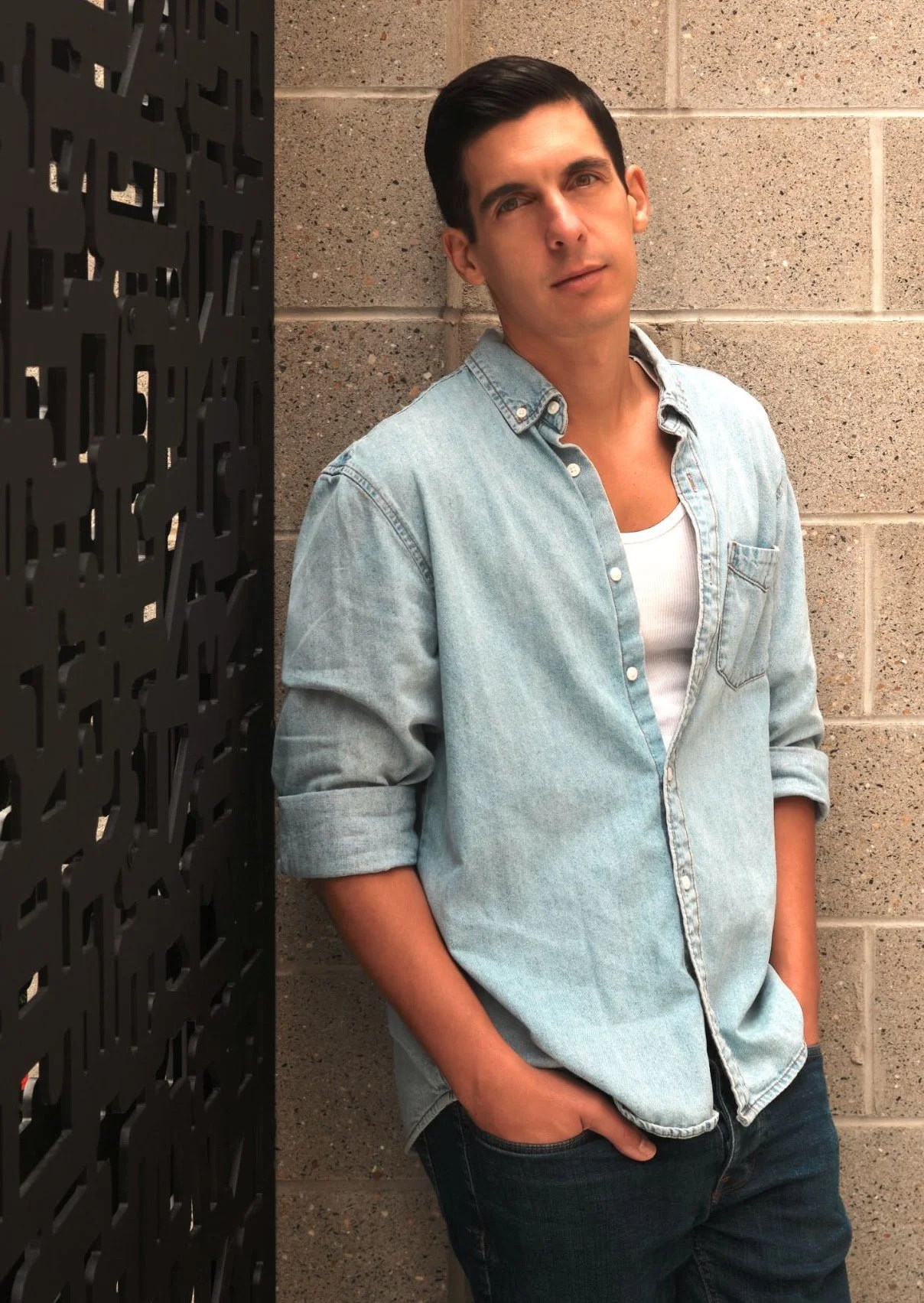
Jose Mena
Jose Mena is a contemporary figurative ceramic sculptor working at the intersection of clay, ethnographic research, and social impact. Born in San Roque, Cádiz, Spain, and shaped by years of living in Sweden, India, Cambodia, Uganda, the Philippines, Spain, and now the United States, his work reflects a life in motion. It is informed by the cultures he has lived within, the systems he has studied, and the experiences and contradictions that continue to shape his perspective.
Before turning to sculpture, Mena spent more than a decade working in human-centered design and social innovation, collaborating with organizations including the United Nations, the World Health Organization, UNICEF, and Save the Children. Trained as a product design engineer and holding a master’s degree in architectural lighting design, he spent more than 14 years researching how people navigate complexity, vulnerability, and resilience.
Working with communities across four continents, Mena used ethnographic observation, in-depth interviews, and participatory methods to develop innovative responses to social challenges. Clay ultimately became a turning point in his practice—a means of moving from analysis to embodiment, and from data to presence.
Mena views clay as one of the most democratic and emotionally accessible materials in art. For him, it holds memory, vulnerability, and truth in equal measure. Through figurative sculpture, he translates social issues and lived realities into physical form, allowing stories to be felt rather than explained and making visible what is too often overlooked or silenced.
Bringing the quiet power of listening into his studio practice, Mena creates work that holds space for complexity. Through material presence, his sculptures invite reflection, move viewers toward empathy, and consider the possibility of meaningful change.
Giving Back
Art that engages with social issues carries a responsibility that extends beyond the studio. When Jose Mena’s work asks viewers to witness suffering, confront injustice, or consider the weight of another person’s reality, he believes it must also create an impact beyond the gallery wall.
For every work in his collection that addresses a social theme, 10% of the net proceeds are donated to a nonprofit organization directly aligned with the issue behind the piece. This is not intended as a symbolic gesture, but as a commitment embedded within his practice—ensuring that both the act of making and the act of collecting contribute to something larger than the object itself.
Mena selects organizations working directly within affected communities, particularly those whose resources are limited in relation to the scale of the challenges they address. Their missions reflect the same values of dignity, visibility, and human rights that inform his sculptures.
Because art can refuse to look away, and action can do the same.