
Fine Art and Craft: The 2026 Trajectory
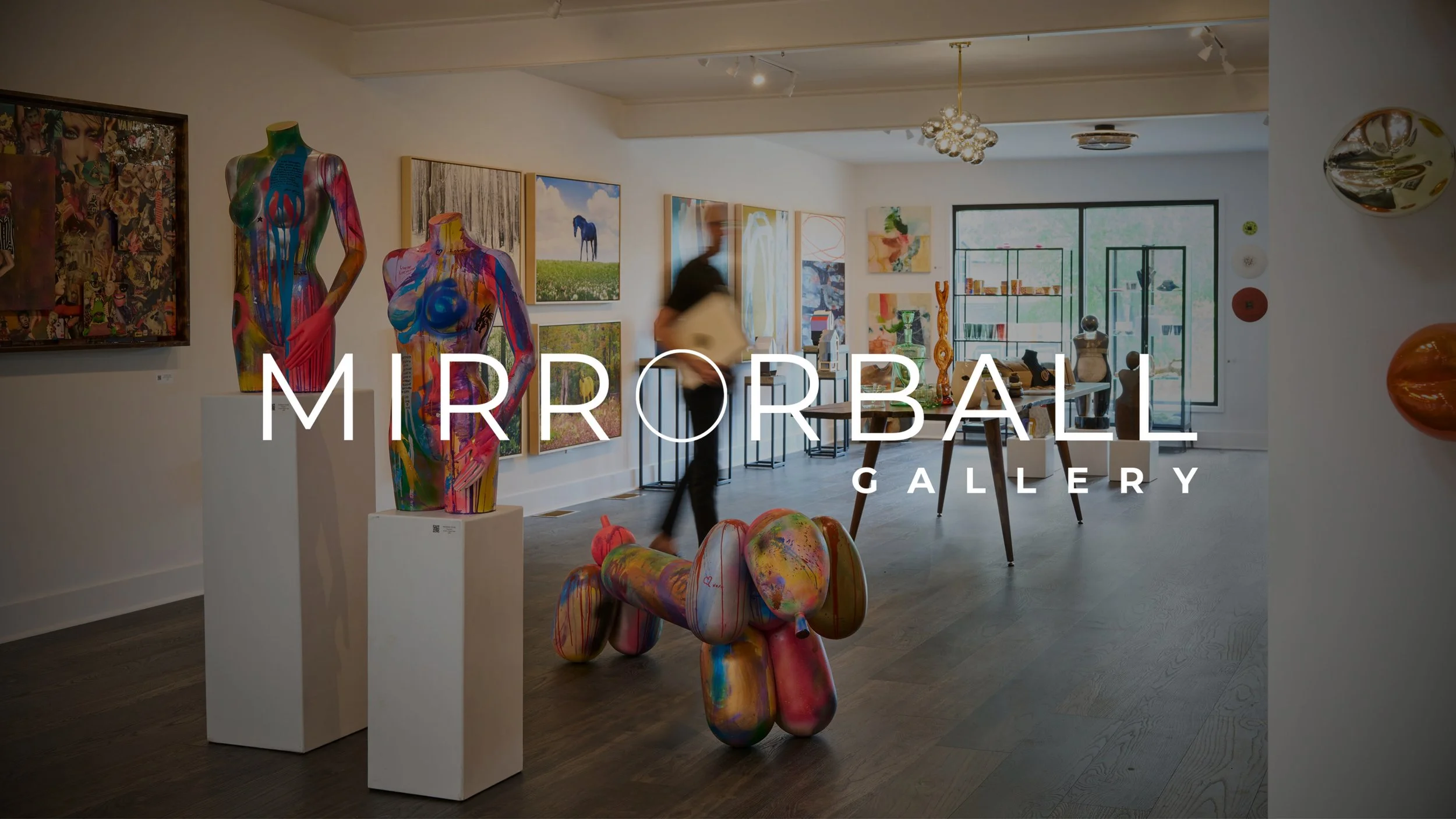
Photo by Monica Stevenson Photography
As we move into 2026, the line between fine art and craft is no longer a boundary. It is a point of departure. What was once framed as a hierarchy of disciplines has given way to a more fluid, intellectually rich landscape where material mastery, conceptual rigor, and cultural relevance coexist on equal footing.
At Mirrorball Gallery, we see this shift not as a trend, but as an evolution long in motion.
Material Intelligence as Meaning
In 2026, artists working in ceramics, textiles, glass, wood, and metal are no longer defined solely by technique. Material has become language. Process is no longer hidden. It is integral to the narrative. Collectors are increasingly drawn to works where how something is made is inseparable from why it exists. The hand, the kiln, the loom, and the studio itself are part of the conceptual framework.
Craft as Contemporary
Craft is no longer positioned as an alternative to contemporary art. It is contemporary art. The most compelling works coming into view balance precision with risk, tradition with disruption. Artists are reclaiming inherited methods and pushing them forward, creating objects that feel both timeless and urgent.
Collectors Seeking Depth
Today’s collectors are more informed, more curious, and more invested in context. In 2026, collecting is less about category and more about resonance. Patrons are seeking works with integrity. Objects that hold intellectual weight, emotional presence, and cultural relevance. Craft-forward practices offer exactly that. Depth, durability, and meaning that unfold over time.
Looking Forward
The future belongs to artists who understand that mastery is not static and collectors who value intention as much as aesthetics. As fine art and craft continue to converge, what emerges is a richer, more expansive definition of value. One rooted in process, place, and purpose.
At Mirrorball, we remain committed to this dialogue. Championing artists whose work reflects where contemporary art is going, not where it has been.
2026 is not about choosing sides. It is about recognizing that the most powerful work lives in the space between.
