
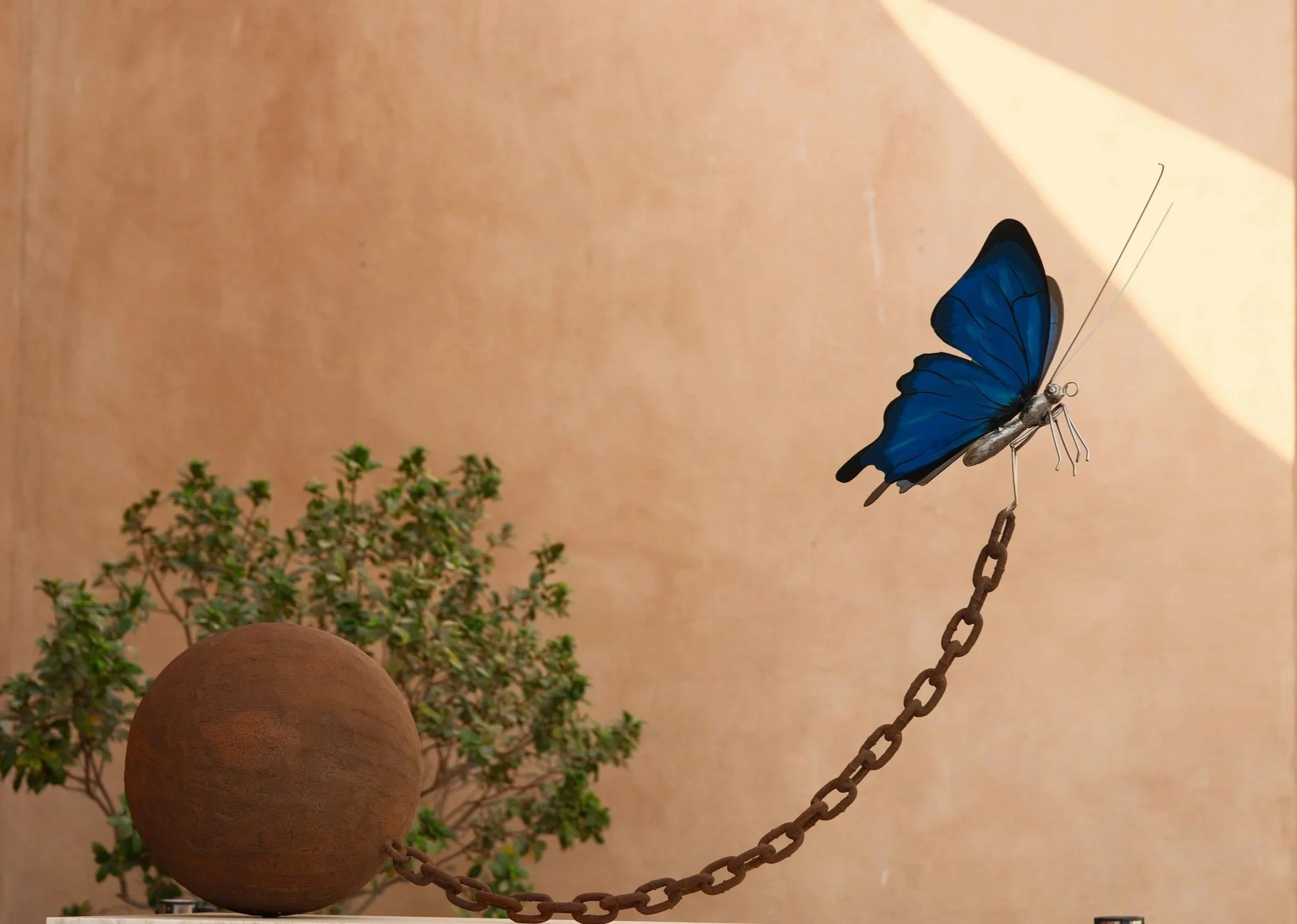
Why Gallery Artist Exclusivity Clauses Are Outdated and Harmful to Artists
Artist exclusivity clauses in gallery contracts have long been treated as standard practice in the art world. Traditionally, galleries used exclusivity agreements to protect their investment in promoting an artist, building collector relationships, and shaping the artist’s market. While that model may have once made sense in a more limited and localized art economy, today it often feels outdated, restrictive, and misaligned with how contemporary artists actually build successful careers.

Building a Brand Versus Building a Business in a Small Town
A brand is what people remember. It is your reputation, your visual identity, your voice, your values, and the overall feeling people have when they interact with your business. A brand is not just a logo or social media presence. It is the emotional connection that turns a one-time customer into a loyal supporter.
It is what people believe about what you have built. In a place like Tryon, that belief can shape not only how a business succeeds, but how it becomes part of the identity of the town itself.
Fine Art and Craft: The 2026 Trajectory
As we move into 2026, the line between fine art and craft is no longer a boundary. It is a point of departure. What was once framed as a hierarchy of disciplines has given way to a more fluid, intellectually rich landscape where material mastery, conceptual rigor, and cultural relevance coexist on equal footing.
At Mirrorball Gallery, we see this shift not as a trend, but as an evolution long in motion.